November 25, 2026
Essential gutter services enhance drainage systems and provide critical protection for residential properties. By understanding how these solutions work, homeowners can plan effectively for routine maintenance and structural upgrades that safeguard their investments. Although gutters may seem like a minor exterior detail, they play a vital role in preserving both the structural integrity and visual appeal of a house. Neglecting gutter upkeep often leads to severe moisture problems that prove costly and time-consuming to resolve, whereas proactive care prolongs the lifespan of a home and supports a safe living environment.
Understanding the Importance of Gutters
Functional gutters channel rainwater safely away from a home's foundation, preventing destructive water pooling around the perimeter. When channels become clogged or damaged, overflowing water can seep into basements, trigger interior moisture problems, and cause foundation cracks that compromise structural stability. A well-maintained system also protects the roof from leaks and premature deterioration. When debris blocks water flow, runoff backs up beneath shingles, causing wood rot and costly roof repairs that far exceed the expense of routine upkeep.
Beyond structural protection, clean and properly aligned gutters preserve a home's exterior appearance and surrounding landscape. Sagging, rusted, or overflowing gutters signal neglect and can lower perceived property value, which is especially important for homeowners preparing to sell. Properly directed runoff also prevents soil erosion in flower beds and yards, keeping topsoil intact and stabilizing the ground around the foundation so gardens and outdoor spaces retain their visual and environmental value.
Consistent gutter maintenance also supports effective pest management around the property. Clogged troughs trap stagnant rainwater that serves as an ideal breeding ground for mosquitoes and other insects, while damp leaves and organic debris attract rodents and nesting birds. According to This Old House, your gutters should be cleaned at least twice a year, or every three months if your yard has deciduous or pine trees that shed frequently. Following this schedule removes pest habitats and keeps water flowing freely.
Installing and Replacing Gutter Systems
Selecting the right material during installation or replacement directly affects a gutter system's longevity, performance, and appearance. Common options include aluminum, vinyl, steel, and copper, each offering distinct advantages. Aluminum remains popular for its rust resistance, lightweight profile, and affordability, while steel provides extra strength in harsh weather and copper delivers upscale curb appeal at a higher price point. Evaluating local climate conditions alongside budget priorities helps homeowners choose materials that balance durability and aesthetics.
Homeowners must also decide between a do-it-yourself project and hiring experienced installers. While a DIY approach can reduce upfront labor expenses, it requires specialized tools and technical precision; minor installation mistakes often cause leaks or improper drainage that erase initial savings. Professional gutter services typically factor labor and materials into a comprehensive estimate, deliver higher workmanship standards, and back their work with warranties. Budgeting for both upfront costs and potential fascia repairs ensures smoother project execution.
Accurate measurements and structural evaluations are equally critical before hanging new gutters. Installers measure along the fascia boards around the roofline while calculating the exact slope required for steady water runoff, preventing standing water and overflow. Older homes often present additional challenges, such as custom architectural trim, uneven eaves, or aging wood that requires reinforcement before mounting new brackets. Careful planning ensures that replacement systems fit properly and preserve the architectural character of older properties.
Cleaning Gutters Safely and Thoroughly
Routine cleaning prevents leaves, twigs, and shingle grit from obstructing water flow during heavy rainstorms. Professional technicians rely on specialized equipment, including gutter scoops, extension ladders, and high-powered vacuums, to clear debris efficiently without denting or bending metal channels. While clearing the troughs, professionals also inspect for early warning signs of wear, such as separated seams, pinhole leaks, rust spots, and sagging sections caused by heavy, waterlogged debris or weakened hangers.
Hiring trained technicians for routine gutter services provides convenience, thoroughness, and long-term cost savings. Experienced specialists spot subtle structural vulnerabilities that untrained eyes might miss, addressing minor issues before they escalate into major water damage. Outsourcing the task also eliminates the personal risks of working at height on multi-story homes, ensuring the entire system is flushed and inspected without disrupting the homeowner's schedule.
Safety remains a top priority whenever cleaning involves working near rooflines and electrical lines. Homeowners who choose to clean single-story gutters themselves should place ladders on firm, level ground, extend rails above the roof edge for stability, and wear slip-resistant footwear, heavy-duty gloves, and protective eyewear. Working with a spotter and staying well clear of overhead power lines prevents serious accidents while keeping maintenance on track.
Adding Gutter Guards and Covers
Gutter guards reduce debris accumulation and ease ongoing maintenance demands by blocking leaves and twigs while allowing rainwater to enter the channel. Popular designs include fine mesh screens, foam inserts, and reverse-curve covers. Mesh screens sit atop the gutter to filter out small debris, foam inserts fit inside the trough to trap larger leaves on the surface, and reverse-curve covers guide rainwater downward into a narrow slot while shedding debris over the edge.
Installing protective covers offers clear benefits, including fewer annual cleanings and stronger defense against pest nesting, though homeowners should weigh upfront costs and compatibility with existing rooflines. Mesh screens tend to be more budget-friendly, whereas reverse-curve systems require higher initial investment and professional fitting. None of these systems are completely maintenance-free, as pollen, pine needles, and fine silt can accumulate on top and require periodic rinsing or inspection.
Despite the initial expense, quality guards deliver strong long-term value by minimizing clogs, reducing rust caused by trapped wet debris, and decreasing wear from frequent cleanings. By keeping channels clear and protecting brackets from excessive weight, gutter covers extend the lifespan of the entire system and lower lifetime repair costs. Selecting a cover style suited to local foliage ensures reliable performance through heavy rain and seasonal shedding.
Repairing Gutters and Optimizing Drainage
Even durable gutters occasionally develop leaks at joints, loose fasteners, or storm-related detachment from the fascia board. Promptly resealing seams, reinforcing sagging mounts, and following seasonal maintenance routines- clearing winter debris in spring, checking for corrosion in summer, removing autumn leaves, and monitoring for winter ice dams- keeps the system reliable year-round. Preventative steps such as checking slope angles and applying protective coatings further prevent corrosion and overflow.
While handy homeowners can tackle minor fixes using a sturdy ladder, caulking gun, gutter sealant, drill, and replacement brackets, scheduling professional gutter services ensures accurate damage assessments and lasting repairs. Specialists use commercial-grade sealants and fastening methods to restore proper pitch and watertightness, eliminating the safety hazards of ladder work while extending the service life of aging gutter runs.
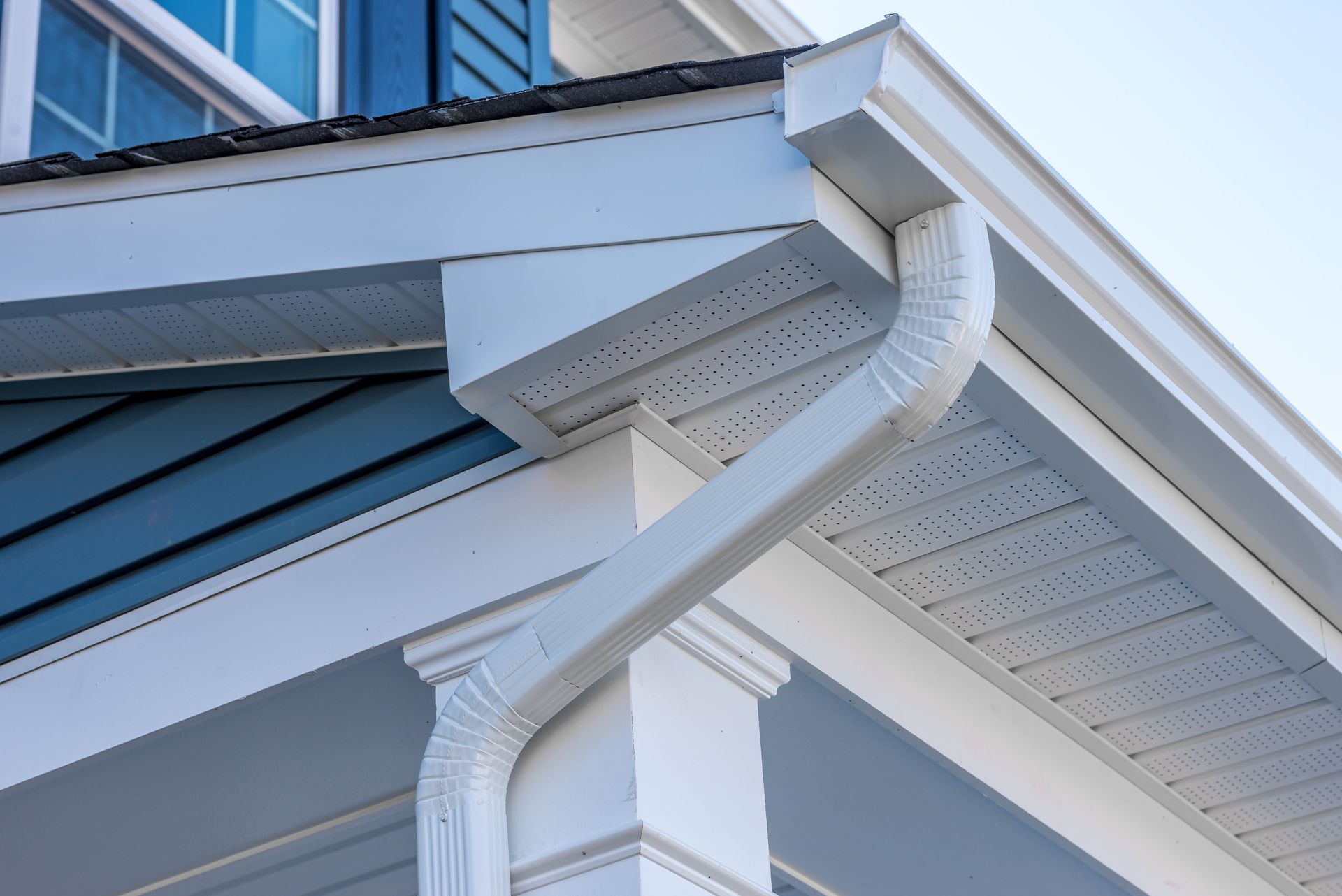
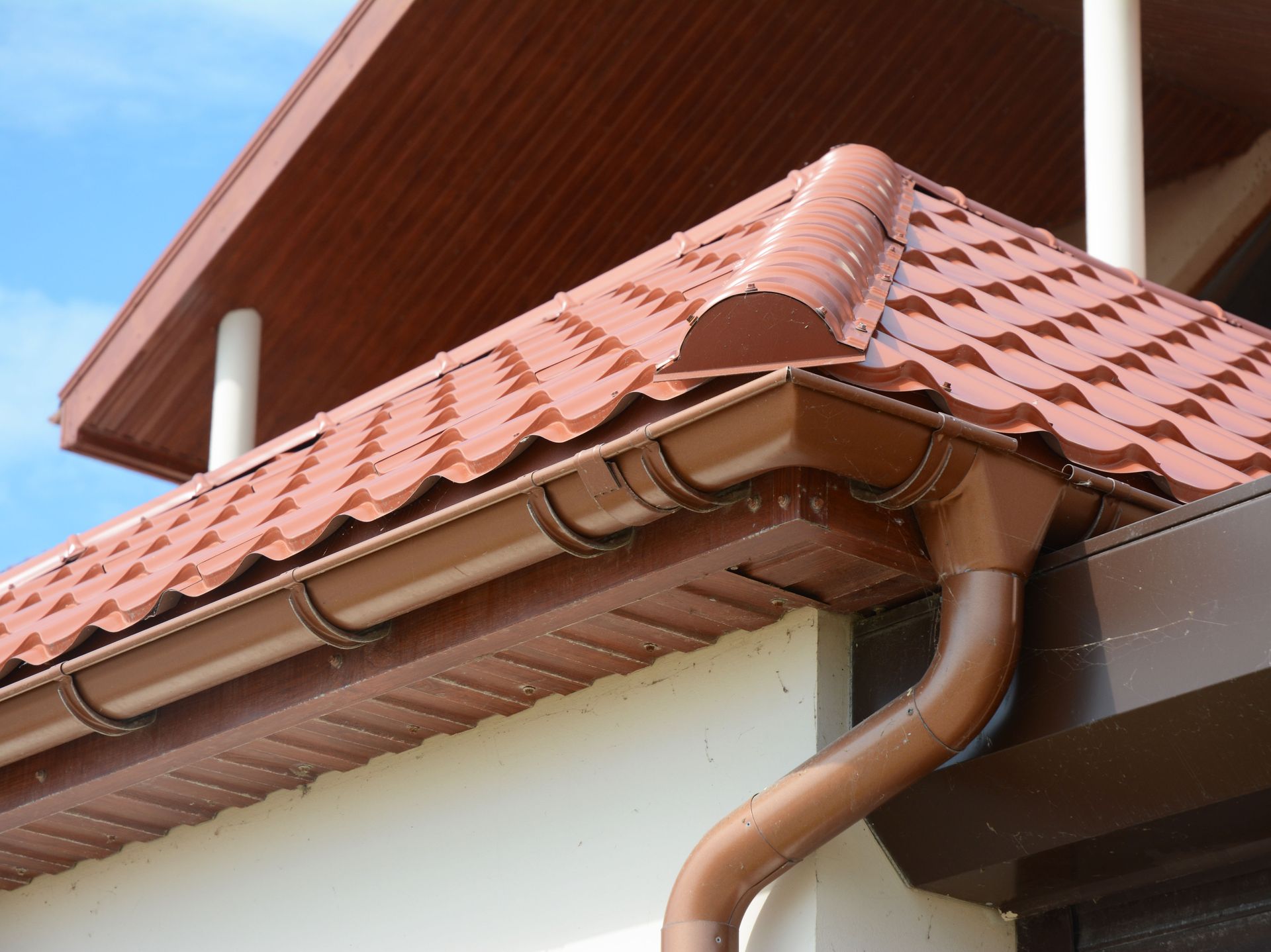
Effective water management also depends on well-positioned downspouts and reliable ground drainage. Downspouts should be placed at strategic corners and intervals along long runs, paired with splash blocks or extensions that carry runoff well away from the foundation. Connecting downspouts to French drains or underground perimeter pipes prevents yard pooling, while strainers, periodic flushing, larger downspouts, rainwater harvesting barrels, and smart flow sensors enhance water flow and detect clogs early.
Adopting comprehensive
gutter services, from proper installation and protective covers to routine cleaning and drainage upgrades, significantly improves a property's defense against water damage. Consistent care preserves structural integrity, protects landscaping, and enhances curb appeal while reducing the risk of expensive repairs over time. By staying proactive with maintenance and timely upgrades, homeowners can keep their drainage systems operating smoothly in every season. For more information about the services that we offer, reach out to our incredible team at Steve's Guttering, LLC today!