July 24, 2026
Your home's gutter system plays an important role in directing rainwater away from the roof, siding, foundation, and surrounding landscape. When gutters are damaged, undersized, poorly installed, or improperly positioned, water can collect in areas where it may contribute to leaks, erosion, staining, and other maintenance concerns. Choosing the right gutter installation service can help address these issues while giving you a system that fits your home's design and drainage needs.
The right choice depends on more than the price of installation. Homeowners may need to consider gutter materials, system design, property size, local weather, contractor qualifications, and the condition of existing gutters. Understanding these factors can make it easier to compare options and determine which gutter installation service is appropriate for your home.
What Types of Gutter Systems Are Available?
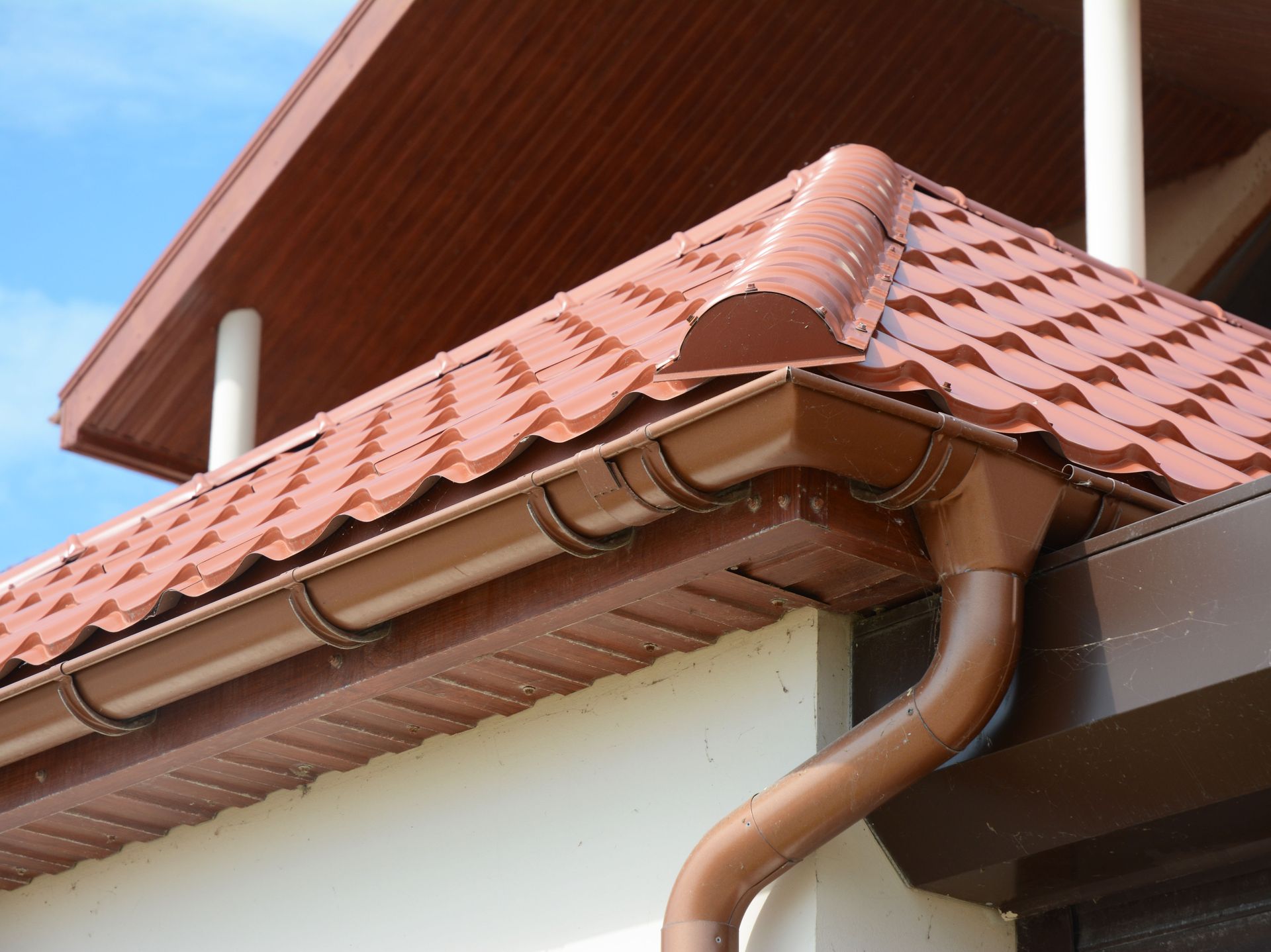
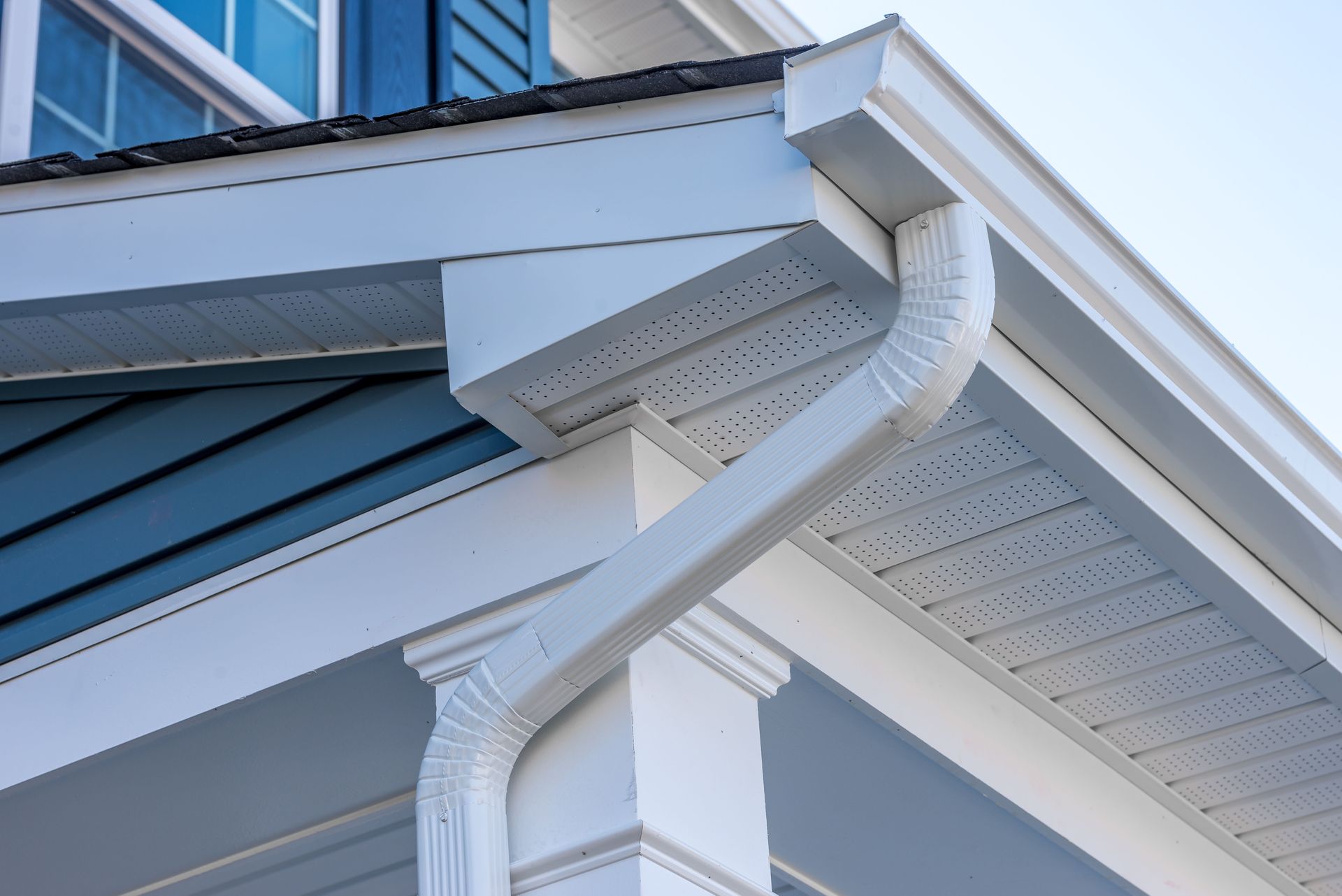
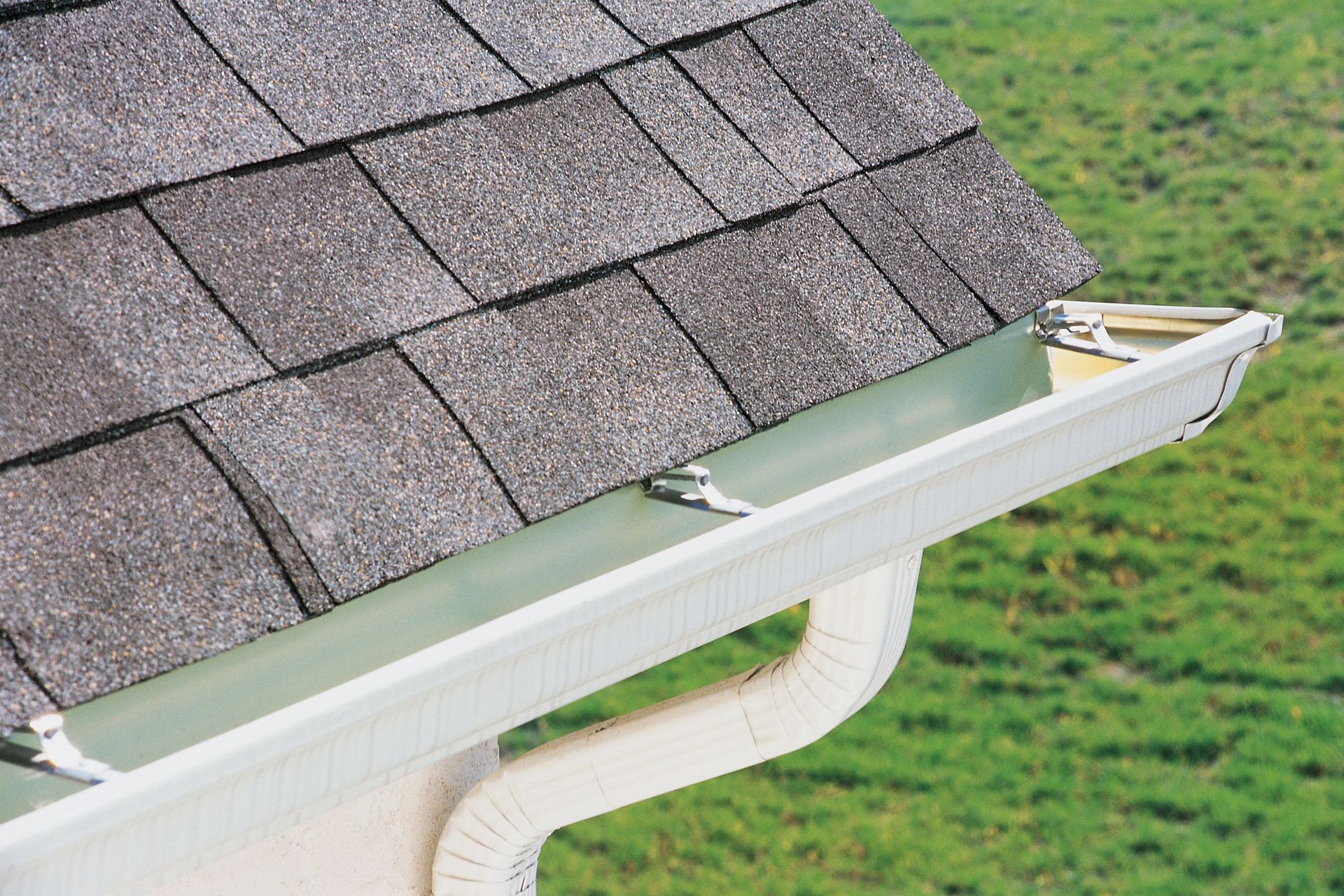
Gutter systems come in several styles and materials, each with different characteristics. K-style gutters are among the most common options for residential properties. Their decorative profile can complement many modern homes while providing substantial water capacity. Half-round gutters have a rounded shape and are often selected for historic, traditional, or architecturally distinctive homes.
The material also affects the system's appearance, durability, and maintenance requirements. Aluminum gutters are widely used because they are relatively lightweight, resistant to rust, and available in various colors. Vinyl gutters may offer a lower-cost option, although they can become brittle over time, particularly in areas with significant temperature changes. Steel gutters provide additional strength but may require attention to potential corrosion. Copper gutters are another option that can provide a distinctive appearance and develop a patina as they age.
Seamless gutters are manufactured in long sections and typically have fewer seams than sectional systems. Fewer seams may reduce the number of locations where leaks can develop. A gutter installation service may also offer gutter guards or other protection systems intended to limit the amount of leaves and debris entering the gutters.
The appropriate system depends on factors such as the roof area, the amount of rainfall your property receives, the pitch and design of the roof, and the home's overall appearance. A professional assessment can help determine which combination of material, size, and design is appropriate for the property.
How Much Does Gutter Installation Service Typically Cost?
The cost of a gutter installation service can vary considerably from one project to another. The size of the home is one factor because larger properties generally require more linear feet of guttering and additional downspouts. The material selected can also affect the total price, with some materials requiring a greater initial investment than others.
The design of the roof may also influence the cost. A simple roofline may require fewer cuts, corners, and connections. Homes with multiple roof sections, complex angles, dormers, or other architectural features may require more labor and materials. The number and placement of downspouts can also affect the overall scope of the project.
Removing and disposing of an existing gutter system may add to the cost of a new installation. In some cases, the fascia or other supporting structures may need repairs before new gutters can be attached. A gutter installation service may identify these issues during an initial inspection.
Homeowners should be cautious about comparing estimates based only on the lowest price. An unusually low estimate may not include important elements such as removal, repairs, downspouts, or specific materials. Comparing written estimates that describe the scope of work can provide a clearer basis for evaluating different proposals.
What Should I Look for in a Gutter Installation Contractor?
Experience is one factor to consider when selecting a contractor. A company that regularly performs gutter installations may be familiar with different roof designs, drainage concerns, and installation methods. It can also be useful to ask how long the company has been operating and what types of projects it commonly handles.
Insurance and licensing requirements vary by location, so homeowners should understand which credentials apply in their area. Depending on local rules, a contractor may need specific registration, licensing, or insurance coverage. Confirming these details before work begins can help clarify the contractor's qualifications and responsibilities.
References and reviews may provide additional information about a company's communication, workmanship, and reliability. Homeowners can ask for examples of similar projects or look for feedback from customers who had comparable gutter work completed.
A clear estimate is also important. The proposal should identify the materials, approximate dimensions, number of downspouts, removal services, labor, and any anticipated repairs. If the contractor recommends a particular gutter size, homeowners can ask why that size is appropriate for the roof and property.
According to Modernize Home Services, 5-inch and 6-inch gutters are the most commonly used widths. The right size for a particular home, however, can depend on the roof area, slope, rainfall conditions, and drainage requirements. A reputable gutter installation service should be able to explain how the proposed system was selected rather than simply recommending the same option for every property.
How Often Should I Service or Replace My Gutters?
Gutters require periodic inspection and maintenance even when they appear to be functioning properly. Leaves, twigs, dirt, and other debris can restrict water flow. Over time, clogs may cause water to overflow or place additional stress on the gutter system.
Homeowners should watch for signs that gutters may need service. Sagging sections, visible rust, cracks, loose fasteners, separated seams, and water pooling near the foundation may indicate a problem. Water stains beneath the gutters or along the exterior walls may also suggest that water is not being directed away from the home as intended.
The lifespan of a gutter system depends on the material, installation quality, climate, and maintenance. Some systems may continue functioning for decades with appropriate care, while others may require replacement sooner because of physical damage, corrosion, or repeated leaks.
Replacement may be appropriate when damage is widespread or when repairs are becoming frequent. However, a single damaged section does not necessarily mean the entire system needs to be replaced. An inspection by a gutter installation service can help determine whether targeted repairs are sufficient or whether a new system is more practical.
How Does Gutter Installation Impact Home Maintenance?
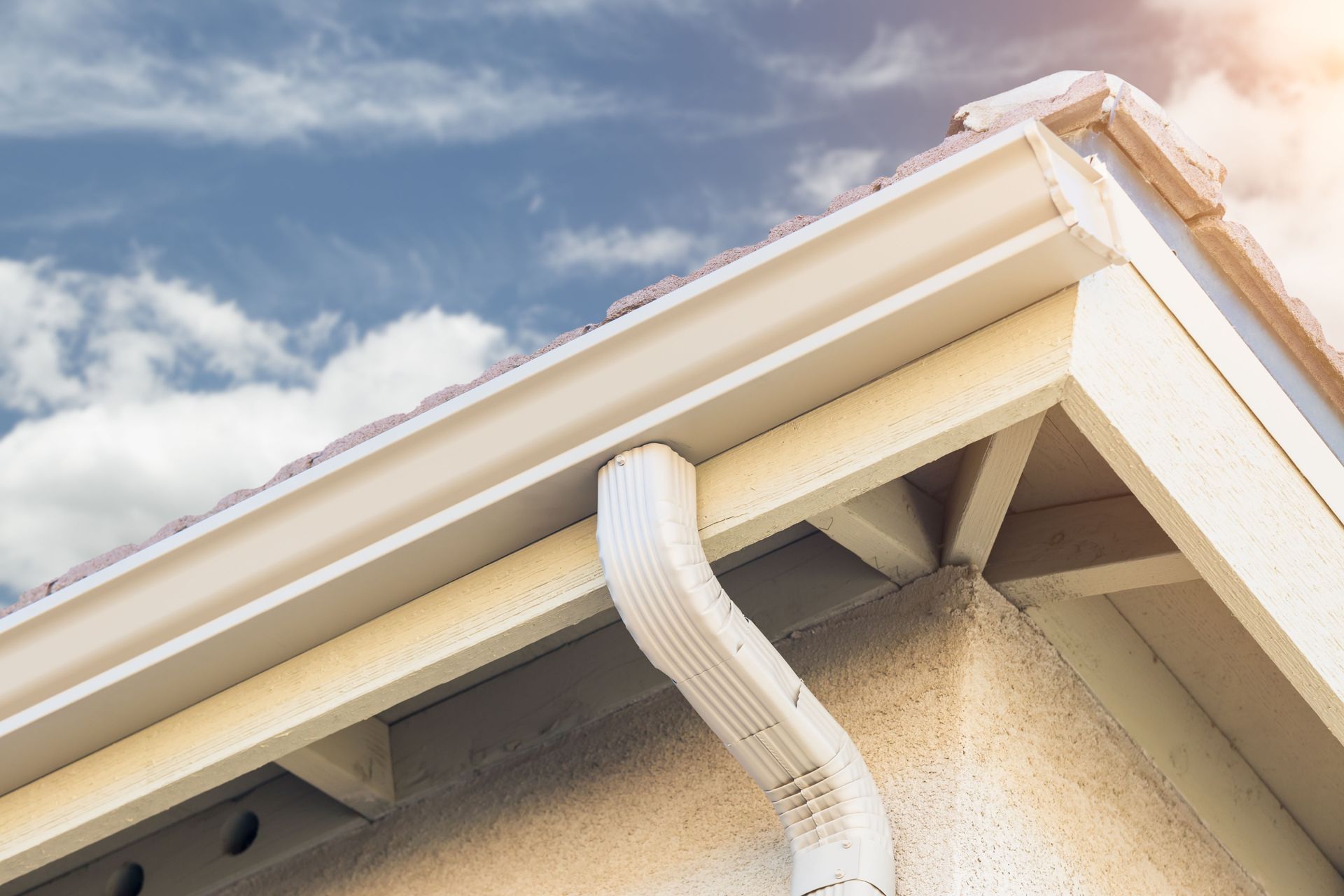
A properly designed and installed gutter system can influence several aspects of home maintenance. Its primary function is to collect and direct rainwater away from the roof and exterior walls. Downspouts should discharge water far enough from the foundation to help reduce the risk of concentrated runoff in one area.
Managing roof runoff may also help protect landscaping. Without appropriate drainage, water can erode soil, wash away mulch, and create muddy areas around the property. In some situations, homeowners may use extensions, splash blocks, or underground drainage systems to move water farther away from the structure.
Gutters can also help limit water exposure to siding, trim, doors, and windows. While a gutter system cannot prevent every form of water intrusion, controlling runoff may reduce some of the moisture-related maintenance concerns associated with uncontrolled drainage.
The condition of the gutter system can also affect the appearance of a home. Stained siding, sagging gutters, and visible damage may detract from the property's exterior. A properly selected system can complement the roof and architectural style while serving a practical drainage function.
In some cases, addressing gutter problems may also help prevent more expensive maintenance issues. Water that repeatedly collects near the foundation, for example, can contribute to soil erosion and other concerns. Promptly addressing drainage problems may help homeowners identify and correct issues before they become more extensive.
Choosing the right gutter system requires consideration of the home's design, drainage needs, materials, maintenance requirements, and budget. Homeowners should compare installation estimates carefully, review contractor qualifications, and consider whether the proposed system is appropriately sized for the property.
The right gutter installation service can also provide insight into repairs, replacement options, downspout placement, and long-term maintenance. By evaluating these factors together, homeowners can select a gutter system that supports effective water management and complements the appearance of the property. If you're looking for gutters, reach out to the team at Steve's Guttering, LLC today!